
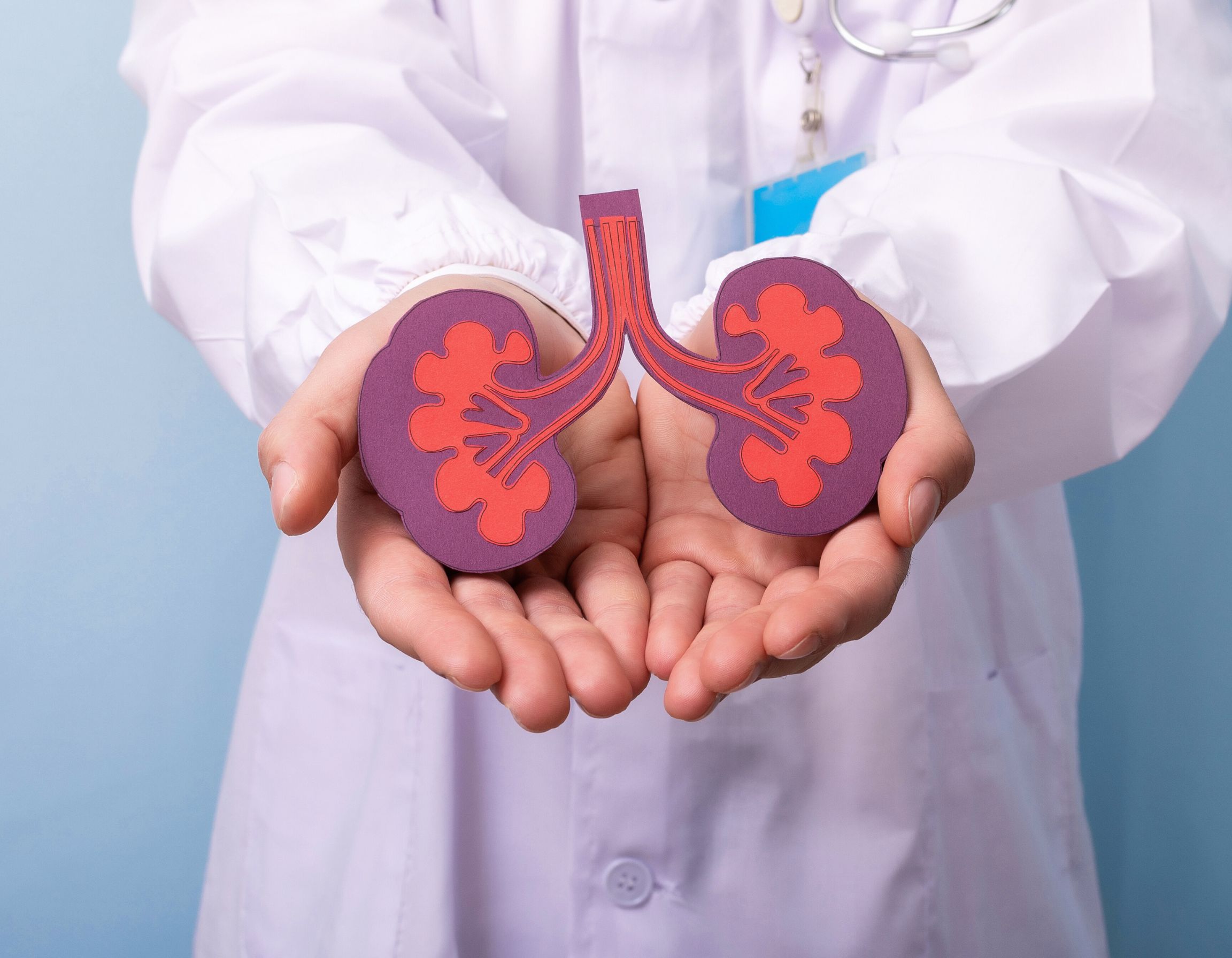
Chronic kidney disease (CKD) is one of those conditions that may not make any noise for years, silently affecting people without showing any obvious symptoms. Many individuals go about their daily lives, completely unaware that their kidneys aren’t functioning the way they should. It often lurks in shadows, silently, until one day, when a normal routine checkup or a blood examination reveals that the disease has progressed and your kidneys are suffering in the background.
This isn’t very comforting, but there’s hope: when CKD is caught early, there are ways to slow it down and halt disease progression. The hurdle here is that people often aren’t aware that they are at risk and overlook minor signs, thinking “it’s normal” or “it’s just tiredness.” At Jhappie Healthcare, we get that life is busy, and healthcare for many feels like an added task. But awareness about CKD and recognising its impact is crucial if you are at risk, especially if you are diabetic, have high blood pressure, or have a family history of kidney disease. Taking proactive steps can empower you with knowledge and resources, and that can be your first step towards better kidney health.
In this guide, we will walk you through what CKD is, its warning signs, who is at risk, the stages of CKD, lifestyle and dietary changes to slow it down, treatment options like dialysis, and most importantly, how organisations like Jhappie Healthcare can make managing CKD easy and less overwhelming for you.
What Exactly is CKD?
Your kidneys are two small, fist-sized organs that do an incredible job of filtering out waste and extra fluid from the blood to maintain blood pressure, balance fluid levels, and keep the bones and blood healthy. When these organs start losing the ability to function normally, chronic kidney disease happens. Gradually, toxins and fluids begin to accumulate in the body, leading to serious complications. CKD is typically a slow, progressive loss of kidney function, but sometimes it can develop rapidly. The alarming fact is that almost 17% of the population in India is suffering from CKD, most of them without knowing it.
Who’s at Risk? The Hidden Causes That Can Lead to CKD
Many people don’t realise they are at risk of CKD until the disease has progressed. If you have diabetes, high blood pressure, or a family history of kidney disease, consider yourself more vulnerable. Other risk factors include obesity, cardiovascular disease, smoking, recurrent kidney infections, and long-term use of NSAIDs. Age also plays a huge role. The kidneys naturally decline in function with increasing age. Recognising that you may be at risk is the first step to taking your kidney health into your control. Consider this a gentle reminder to go for a routine checkup.
The Silent Symptoms of CKD! Don’t Ignore These Red Flags
The scariest part about CKD, also known as the “silent disease”, is that it might not show obvious signals until it’s advanced. It’s easier to ignore the early signs as just a part of ageing, but it’s crucial to listen to your body. Decline in kidney function may result in these symptoms:
- Consistent tiredness: You feel exhausted all the time, and it’s not improving.
- Unexplained swelling in your legs, feet, or ankles.
- Changes in urination: more frequent at night.
- High blood pressure that is difficult to control
- Loss of appetite, you feel nauseated at the thought of food.
- Dry, itchy skin.
These are a few indications by which your body is trying to tell you that something is not right. Schedule a routine checkup with your doctor, because early detection can make a world of difference. If you are confused and overwhelmed by the process, the expert team at Jhappie Healthcare is there to navigate through your healthcare journey.
Understanding the Stages of CKD
|
Stage |
GFR (mL/min/1.73 m²) |
Kidney Function |
Typical Signs & Actions |
|
Stage 1 |
≥ 90 |
Normal kidney function, but with kidney damage (e.g., protein in urine) |
Usually no symptoms; focus on monitoring and managing risk factors like blood pressure and blood sugar. |
|
Stage 2 |
60–89 |
Mild decrease in kidney function |
Often asymptomatic; lifestyle changes and risk factor control recommended. |
|
Stage 3a |
45–59 |
Mild to moderate decrease |
May start experiencing fatigue, swelling in hands/feet; medical evaluation and treatment planning are important. |
|
Stage 3b |
30–44 |
Moderate to severe decrease |
Symptoms may include fluid retention, high blood pressure; closer monitoring is required. |
|
Stage 4 |
15–29 |
Severe decrease |
Preparation for renal replacement therapy (dialysis or transplant) may begin. |
|
Stage 5 (ESKD) |
<15 |
Kidney failure |
Dialysis or a kidney transplant is needed to survive; symptoms may include nausea, severe fatigue, and fluid/electrolyte imbalances. |
Notes:
- CKD progression is often slow, and stages 1–2 may never advance if risk factors are managed.
- Stage-specific interventions, including dietary modifications, medications, and lifestyle adjustments, can help preserve kidney function.
- Regular lab tests, including serum creatinine, eGFR, and urine albumin, are crucial to track progression.
The Importance of Eating Right for Your Kidneys
Diet plays a crucial role in managing CKD. What you eat can either protect your kidneys or make them work harder. Following a CKD-friendly diet tailored to your stage of kidney disease can help slow progression and maintain overall health. Always consult a nephrologist or renal dietitian before making major dietary changes.
Foods to nourish your Kidneys:
- Fruits and vegetables: Apples, berries, and cauliflower.
- Whole grains: Brown rice, whole wheat breads.
- Lean proteins like fish, chicken, and plant-based proteins.
- Healthy fats like olive oil and avocado.
All of these foods can elevate your kidney health.
Foods to Avoid:
- High Sodium Foods: Processed and canned soups.
- High potassium foods (if potassium is elevated): To be avoided
- Excessive protein intake: Too much protein can strain the kidneys. Stage 3–5 CKD usually requires moderation (0.6–0.8 g/kg/day). Dialysis patients often need more.
- High phosphorus foods: Dark colas, processed meats, cheese, and bran cereals. Phosphorus binders may be needed if phosphorus levels are elevated.
Note: Different food choices may need to be made depending on CKD stage and lab test results. Consult a renal dietitian and your kidney specialist to create a personalized plan that balances nutrition, taste, and kidney health. Small, consistent changes in diet can have a meaningful impact on kidney function over time.
Feeling Alone and Lost? Build Your Support Team
Managing CKD can get overwhelming. It’s not a one-person job. There are Nephrologists (kidney specialists) to guide you and provide necessary treatments. Dieticians tailor your meal plans for better health and to prevent the disease’s progression.
And an often neglected part – community support. Connect with individuals who are going through similar conditions to share experiences and get some practical tips. Finding people in online forums, local support groups who understand your journey can make a huge difference.
Managing Advanced Stages: When CKD Progresses
At stage 5, when the kidneys are severely damaged, dialysis and transplant are the only way forward.
Understanding Dialysis: A Lifeline for Kidney Failure
The word dialysis might sound intimidating, but it’s a standard treatment that helps filter out waste from blood when the kidneys fail to do so on their own. There are two types:
Hemodialysis: A machine outside the body filters blood.
Peritoneal Dialysis: Where a solution is introduced into the abdomen and the abdominal lining filters the blood inside the body.
It may feel daunting, but many individuals lead a fulfilling life while on dialysis. Some people may be able to receive a kidney transplant, which can greatly improve life for those who qualify. Your healthcare team can guide you on whether this is a good option for you.
Frequently Asked Questions About Chronic Kidney Disease (CKD)
Q1. What is Chronic Kidney Disease?
A. Gradual loss of kidney function, which can lead to kidney failure and some serious health issues.
Q2. What are the common causes of CKD?
A. Diabetes, high blood pressure, and family history are a few of the most common causes. Prolonged use of certain drugs can also pose a potential risk.
Q3. What are the symptoms of CKD?
A. Often known as a silent disease, CKD may show some early signs like fatigue, swelling in legs or ankles, changes in urination, and high blood pressure at later stages.
Q4. Can CKD be reversed?
A. CKD is usually a long-term condition in which lost kidney function is rarely fully reversible. However, the progression can be slowed and complications managed through blood pressure control, blood sugar management, dietary measures, and medications such as ACE inhibitors/ARBs.
Q 5. What is the treatment for CKD?
A. Treatment of CKD may involve medication for symptomatic relief and dialysis or a kidney transplant in advanced stages.
Q6. Can I still lead a normal life with CKD?
A. Yes, with effective medical care and lifestyle changes, many people lead active and fulfilling lives.
Take Charge of Your Kidney Health Today!
Millions of people around the world are affected by Chronic Kidney Disease (CKD), but with the right knowledge and support, they can still live fulfilling lives. Living with CKD can be challenging. It’s not about managing a disease; it’s about managing your life around a disease. Understanding CKD, recognising early signs and symptoms, making lifestyle and dietary changes, and building a support system are important steps towards better health.
Living with CKD means routine checkups, lab tests, and regular appointments; all of which can feel overwhelming and exhausting. But we, at Jhappie Healthcare, can assist you and make this journey a little less intimidating. Our team of compassionate care managers and healthcare experts believes in empowering you with empathy, knowledge, support, and attention. Together, we can navigate through this journey with our comprehensive approach that includes medical help, logistical assistance, counselling, dietary support, and modern-day digital tools to enhance patient care.
If you notice any symptoms or have any concerns about CKD, don’t hesitate to reach out for help. Because staying informed is the first step towards better kidney health.
Disclaimer: This blog is for informational purposes only and not a substitute for medical advice. Please consult your doctor for treatment decisions.