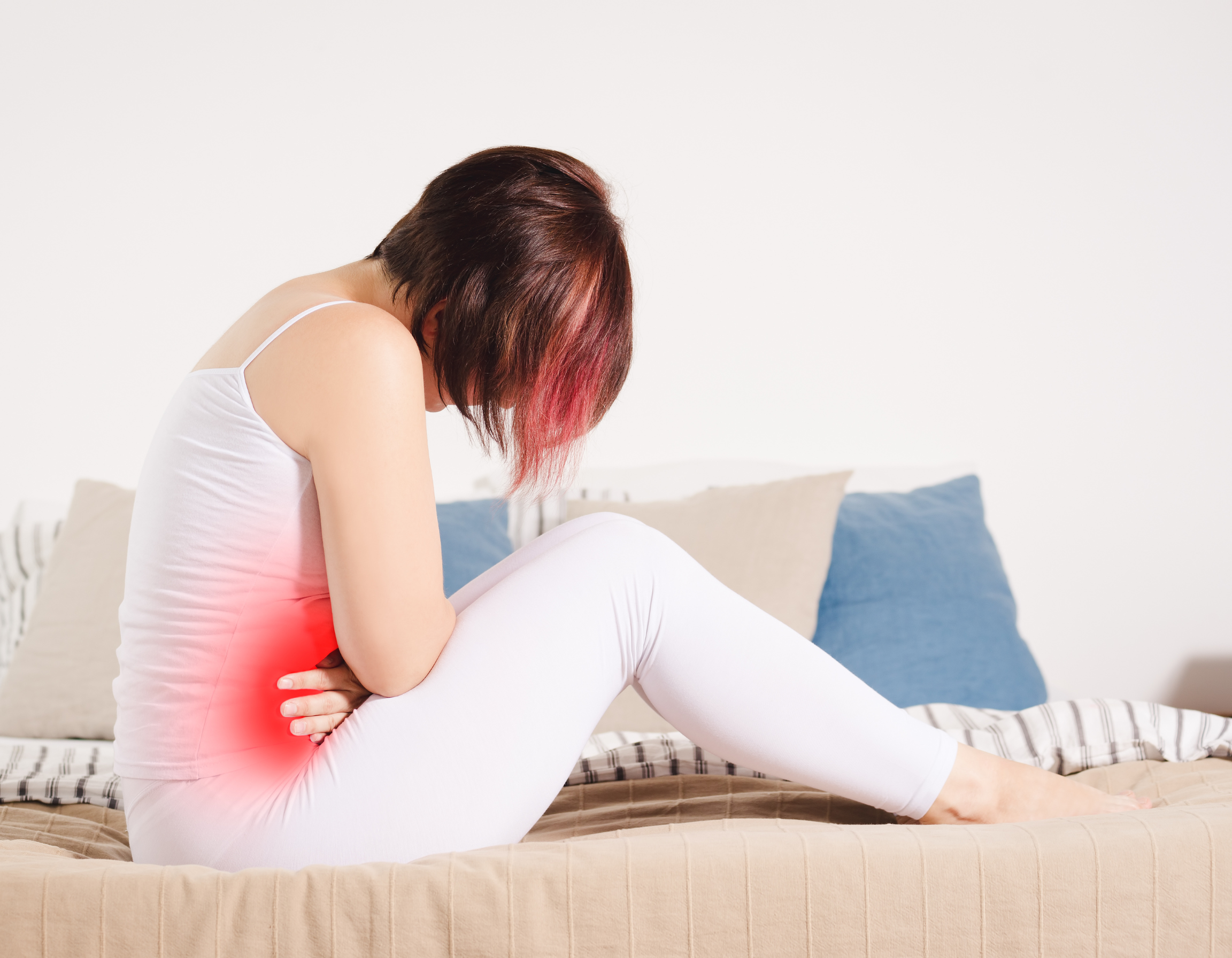
Have you ever been told that painful periods are ‘normal’?
That missing work or cancelling plans every month is just part of being a woman?
Many women grow up hearing this, so they learn to live with pain. They plan their lives around their periods, keep painkillers handy, and assume discomfort is unavoidable. But when period pain starts affecting everyday life, physically, emotionally, or socially, it may not be normal at all. One possible reason is endometriosis.
Endometriosis is a condition that affects millions of women, yet it often goes undiagnosed for years. This blog aims to explain endometriosis in a clear, honest, and easy-to-understand way, so you can recognise the signs early and know when to seek help.
What Is Endometriosis?
Let’s start with the basics.
In simple terms, endometriosis happens when tissue similar to the lining of the uterus grows outside the uterus. This tissue behaves like normal uterine lining; it responds to hormonal changes and bleeds during the menstrual cycle. The difference is that it has nowhere to go.
Because of this, the surrounding area can become inflamed, painful, and sometimes scarred. Over time, this can lead to chronic pain and other complications.
The term endometriosis may sound complicated, but what it really means is simple: it can cause ongoing pain that affects your everyday life.
So, where exactly can endometriosis grow?
Endometriosis doesn’t stay in just one area. It can grow on the ovaries, sometimes forming an endometriotic cyst (also known as a chocolate cyst), as well as on the fallopian tubes, the outer surface of the uterus, and the pelvic lining.
In some cases, it can even affect the bowel or bladder. Because it can spread to different parts of the pelvis, endometriosis pelvic pain often feels deep, ongoing, and not limited only to your periods.
Causes & Symptoms of Endometriosis
A common question is: Who can get endometriosis?
Endometriosis can affect:
- Teenagers
- Women in their 20s, 30s, and 40s
- Women who are trying to conceive
- Women who are not planning a pregnancy
You don’t need to have irregular cycles or fertility problems to have endometriosis. Anyone who menstruates can develop it.
The exact causes of endometriosis are still being studied. There is no single reason why it develops, but doctors believe multiple factors may be involved.
These include hormonal imbalances, genetic tendencies, immune system issues, and a process called retrograde menstruation, where menstrual blood flows backwards into the pelvic cavity instead of leaving the body.
Often, it’s emphasised that the causes and symptoms vary widely from one woman to another. This is one reason diagnosis is often delayed.
Endometriosis symptoms are not the same for everyone. Some women experience severe pain, while others may have mild symptoms that slowly worsen over time.
The most common symptoms of endometriosis include severe menstrual cramps, pelvic pain that lasts beyond periods, pain during or after intercourse, heavy or irregular bleeding, and extreme fatigue. Some women also experience bloating, digestive discomfort, or pain while passing urine or stools, especially during menstruation.
If period pain regularly interferes with your daily routine, work, sleep, or emotional well-being, it’s worth paying attention.
How Is Endometriosis Diagnosed?
One of the biggest challenges with endometriosis is getting a timely and accurate diagnosis. Because its symptoms often overlap with other conditions, it can sometimes take years before the condition is confirmed.
Doctors usually follow a step-by-step approach:
- Detailed symptom discussion: Your doctor will ask about your menstrual cycle, pain patterns, severity, and how symptoms affect your daily life.
- Pelvic examination: A physical exam helps check for tenderness, cysts, or abnormalities in the pelvic area.
- Imaging tests: An ultrasound or MRI may be recommended to identify an endometriotic cyst or deeper lesions.
- Laparoscopy (if required): This is a minimally invasive surgical procedure and is considered the most accurate way to confirm an endometriosis diagnosis.
Although the process may take time, a clear and accurate diagnosis of endometriosis is essential for choosing the right treatment plan and improving long-term outcomes.
If you are experiencing symptoms and are unsure where to begin, Jhappie is here to support you.
You will be assigned a dedicated care manager who connects you with a trusted gynaecologist and guides you through diagnosis, consultations, and next steps, so you never navigate this journey alone.
Is Adenomyosis and Endometriosis the Same?
Another point of confusion is endometriosis vs adenomyosis.
Though symptoms can feel similar, the conditions are different. In endometriosis, tissue grows outside the uterus.
In adenomyosis, similar tissue grows into the muscular wall of the uterus itself. Both can cause heavy periods and pain, but treatment approaches may differ.
This is why proper evaluation matters.
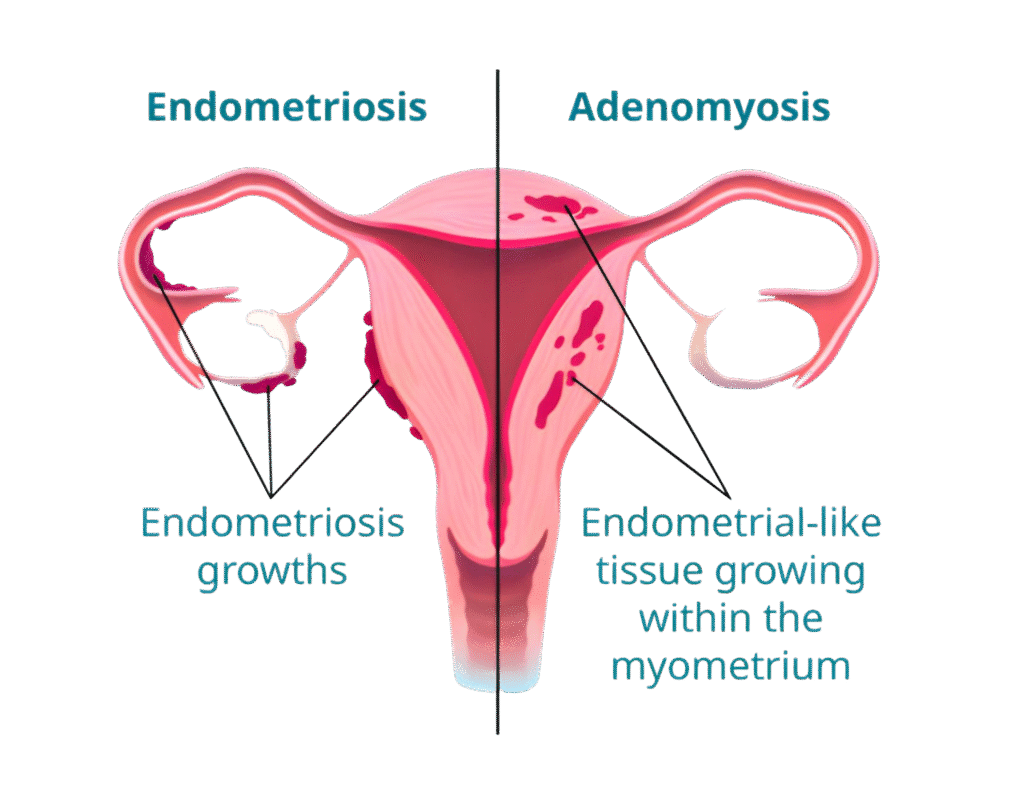
Source: Northside Gynaecology
How Is Endometriosis Treated?
There is no one-size-fits-all solution for endometriosis.
Endometriosis treatment focuses on reducing pain, slowing disease progression, and improving quality of life.
For many women, endometriosis medication such as pain relievers or hormonal therapy helps manage symptoms. Hormonal treatments aim to control the menstrual cycle and reduce inflammation.
When symptoms are severe or persistent, endometriosis surgery may be considered. Surgery aims to remove or destroy endometrial tissue while preserving healthy organs whenever possible.
In recent years, endometriosis treatment in India has advanced significantly, offering minimally invasive procedures and multidisciplinary care tailored to each woman’s needs.
Medical treatment is important, but daily habits also play a vital role in relieving endometriosis pain.
Many women find relief through dietary changes that reduce inflammation, gentle physical activity, stress management, and adequate rest. While lifestyle changes don’t replace medical care, they often support long-term symptom control.
If pelvic pain, painful periods, or fatigue are becoming part of your normal routine, it’s time to seek help. Pain that disrupts daily life should never be dismissed.
At Jhappie Healthcare’s SHE-Suite Clinic, women receive personalised, compassionate care focused on long-term health rather than just temporary relief.
Begin your journey with us and explore specialised women’s health care at SHE Suite Clinic.
Answering Your Questions Around Endometriosis
Q1. Can endometriosis cause cancer?
A. Endometriosis is not cancer. In rare cases, certain ovarian cancers are associated with long-standing endometriosis, but the overall risk remains low.
Q2. How to know if you have endometriosis?
A. There’s no quick self-test, but your body often gives signals. Persistent pelvic pain, severe period cramps, and symptoms that don’t improve with usual treatment are key warning signs.
Q3. Are endometriosis and PCOS the same?
A. No. PCOS is a hormonal condition, while endometriosis involves tissue growth outside the uterus.
Q4. How to prevent endometriosis?
A. There is no guaranteed way to prevent endometriosis. Early diagnosis, regular follow-ups, and consistent treatment can help reduce symptom severity and complications. Ignoring pain often leads to delayed care and greater impact over time.
Q5. Can endometriosis affect fertility?
A. Concerns about endometriosis and infertility are common. The condition can affect ovulation or implantation, but not every woman with endometriosis faces difficulty conceiving. With early diagnosis and personalised care, many women go on to have healthy pregnancies.
Q6. How to cure endometriosis?
A. There’s no permanent cure for endometriosis, but medications, hormone therapy, pain management, and surgery can effectively control symptoms.
Key Takeaways on Endometriosis
Living with constant pelvic pain, heavy periods, or unexplained discomfort is not something you should simply accept as ‘normal.’
Your body often gives early signals when something isn’t right, and understanding those signals is the first step toward timely care. Endometriosis may be a chronic condition, but with the right diagnosis and personalised treatment plan, it can be effectively managed.
If you suspect endometriosis, are experiencing ongoing symptoms, or want clarity about your reproductive health, expert support can make all the difference.
At Jhappie Healthcare’s SHE-Suite Clinic for Women’s Health, we combine attentive listening and accurate diagnosis with the expertise of top gynaecologists in Pune.
To learn more about specialised, women-focused care at Jhappie, visit the SHE-Suite for Women’s Health here:
https://jhappie.health/she-suite-for-womens-health/
Start with a FREE consultation today:
https://my.jhappie.health/
Disclaimer
This blog is for information purposes only and not a substitute for medical advice. Please consult a doctor for diagnosis and treatment decisions.