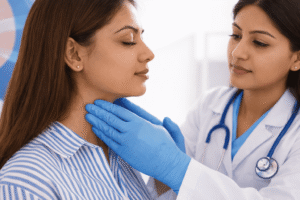
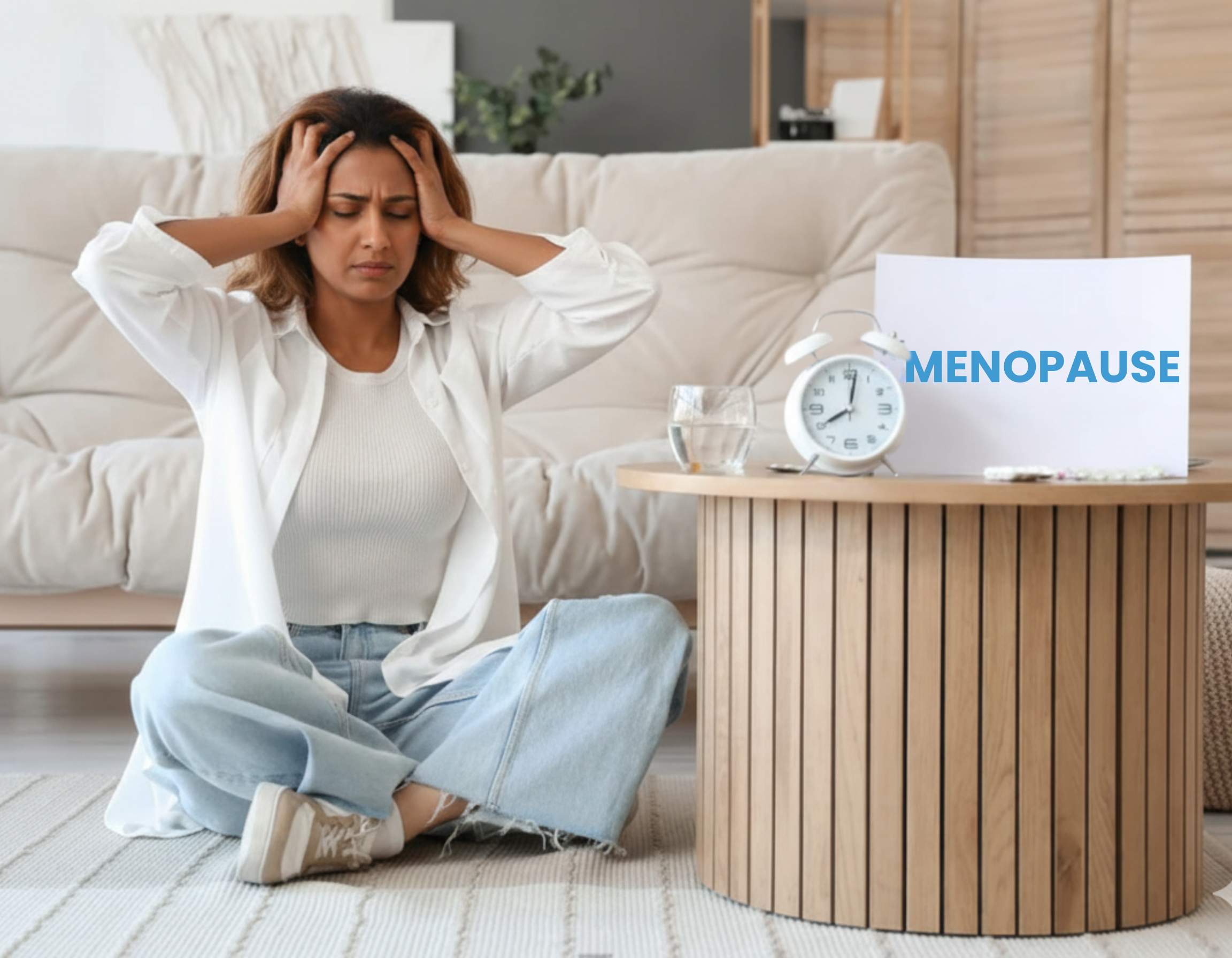
Have you been feeling constantly tired lately? Experiencing mood swings, poor sleep, bloating, or unexpected hair thinning, yet being told it’s ‘just stress’ or ‘just age’?
For many women, these could be the early signs of menopause.
Menopause is one of the most natural yet least discussed phases in a woman’s life. While it marks the end of menstrual cycles, the hormonal changes leading up to it can begin years earlier, often quietly and gradually. Because the symptoms overlap with stress, thyroid issues, or lifestyle fatigue, many women don’t immediately recognize what their bodies are going through.
Let’s understand what’s happening inside your body, what symptoms to watch for, and how to navigate this transition smoothly.
What is Menopause?
Menopause is the stage in a woman’s life when her menstrual periods permanently stop. It is confirmed after 12 consecutive months without a period.
It marks the end of the reproductive years and happens due to a natural decline in reproductive hormones, mainly estrogen and progesterone.
The average menopause age is between 45 and 55 years, with most women experiencing it around 50–51 years.
However:
- Some women notice signs of menopause at 45, which is considered early menopause.
- In rarer cases, premature menopause can occur before the age of 40.
- On the other hand, many women commonly begin experiencing noticeable menopause symptoms around age 47, as they enter the transition phase.
Every woman’s journey is different. If you observe these changes, it is important to consult a gynecologist for proper evaluation, timely testing for menopause, and appropriate guidance.
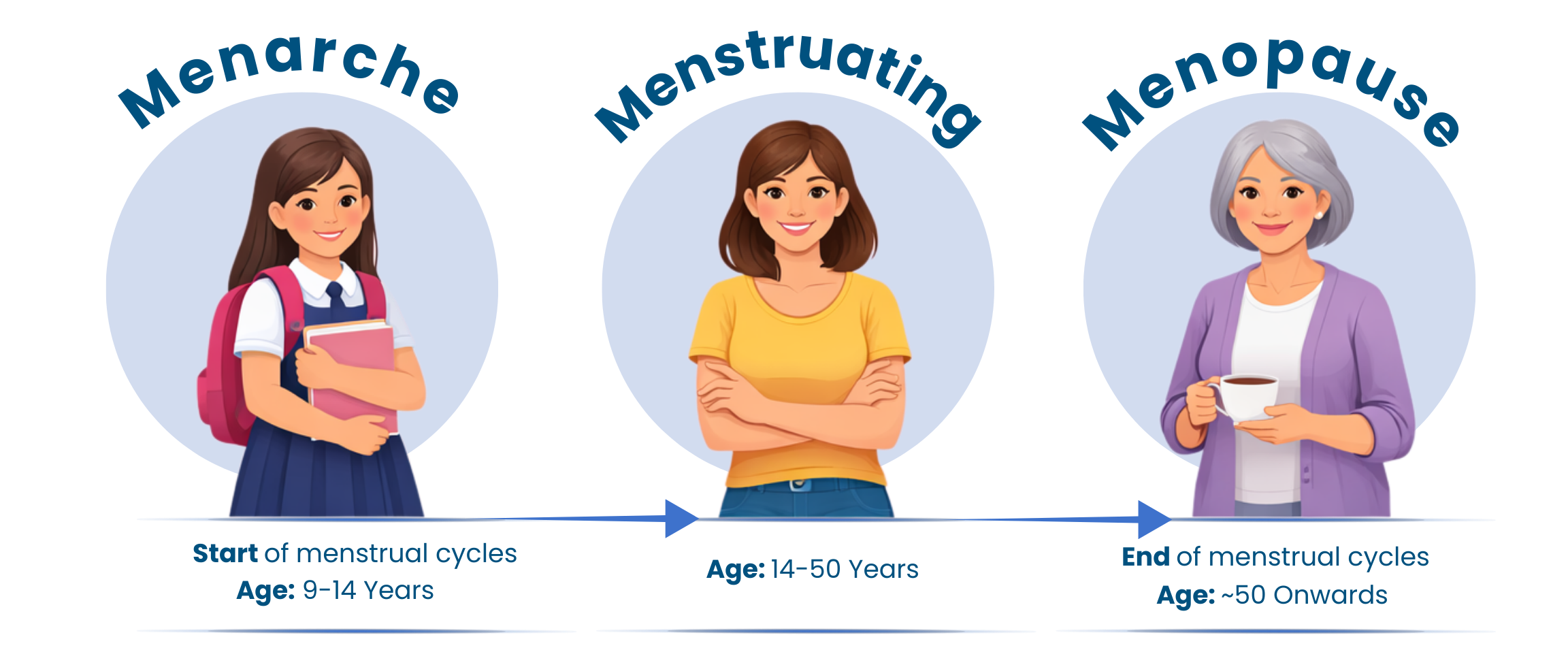
Stages of Menopause: How Your Body Changes Over Time
Understanding the stages of menopause helps you recognize where you are in the journey.
Perimenopause is the transition phase leading up to menopause. During this time, your periods may become irregular, shorter, longer, heavier, or skipped altogether. Hormone levels, especially estrogen and progesterone, begin to fluctuate, which can trigger early menopause symptoms such as hot flashes, mood swings, sleep disturbances, and fatigue. This phase can last several years.
Menopause is officially diagnosed when you have gone 12 consecutive months without a menstrual period. At this stage, the ovaries stop releasing eggs, and reproductive hormone levels decline significantly. Many classic menopause symptoms may continue, but the unpredictability of cycles ends.
Post menopause refers to the years after menopause has occurred. Some symptoms, like hot flashes, may gradually reduce over time. However, due to lower estrogen levels, long-term health risks such as bone loss, menopause, high blood pressure, and heart health concerns may increase, making regular health monitoring important.
What Are the Symptoms of Menopause?
The answer isn’t the same for everyone, but there are several common patterns most women notice as hormones begin to fluctuate.
The most frequent menopause symptoms include irregular or missed periods (often called menopause period symptoms), hot flashes, night sweats, mood swings, and sleep disturbances. Some women experience vaginal dryness, decreased libido, and persistent tiredness, commonly described as menopause and fatigue.
Physical discomforts such as breast pain during menopause, bloating, hair thinning, and weight gain are also quite common.
It’s important to understand that female menopause symptoms are not just physical. The emotional and mental changes can be equally significant.
Many women report anxiety, irritability, brain fog, difficulty concentrating, and low motivation. In some cases, depression may develop due to hormonal shifts combined with lifestyle stress.
The overall effects of menopause can influence your confidence, work performance, personal relationships, and day-to-day quality of life. Recognizing these changes early helps you seek the right support and manage them effectively.
Comprehensive Menopause Care at Jhappie Healthcare – SHE Suite Clinic
At Jhappie Healthcare’s SHE Suite Clinic, we understand that menopause is not just a medical phase; it’s a significant life transition that affects your physical, emotional, and hormonal well-being.
Our specialized women’s health team offers comprehensive support, including detailed hormonal evaluation, menopause testing, lifestyle counseling, personalized treatment plans, nutritional guidance, and emotional wellness support tailored to your individual needs.
Additionally, a dedicated care manager works closely with you throughout the entire journey, guiding you step by step, answering your concerns, coordinating your care, and helping you navigate menopause naturally and confidently.
Sign up today to explore our comprehensive women’s health services at SHE Suite Clinic.
Answering Your Questions Around Menopause
Q1. How does menopause start?
A. Menopause starts gradually during perimenopause, with irregular cycles and hormonal fluctuations.
Q2. How long does menopause last?
A. The transition phase may last 4–8 years, while some symptoms can continue into post menopause.
Q3. Is bleeding after menopause normal?
A. No. Any vaginal bleeding after 12 consecutive months without a period should be evaluated by a doctor. While causes may include hormonal changes, polyps, or uterine lining issues, a timely medical assessment is essential to rule out serious conditions.
Q4. Is bleeding after menopause always cancer?
A. No. Bleeding after menopause isn’t always cancer, but it must be evaluated to rule out serious conditions.
Q5. Can a woman get pregnant after menopause?
A. No. Natural pregnancy is not possible after menopause because ovulation permanently stops.
Q6. What signals the end of menopause?
A. Menopause is confirmed after 12 consecutive months without a menstrual period.
Q7. Can women have intercourse after menopause?
A. Yes. Women can have intercourse after menopause, though vaginal dryness may require lubrication or medical support.
Let’s Recap: Menopause in Brief
Menopause is not a disease. It is a natural part of female life. But that doesn’t mean you should suffer silently.
Understanding the signs and symptoms of menopause, knowing the right time for testing for menopause, and getting professional support can make this journey empowering rather than overwhelming.
If you are experiencing symptoms of menopause, whether mild or severe, take the first step toward clarity and care.
Book a FREE Consultation today:
https://my.jhappie.health/
Disclaimer
This blog is for information purposes only and not a substitute for medical advice. Please consult a doctor for diagnosis and treatment decisions.